À propos · Mecalac 8MCRAperçu
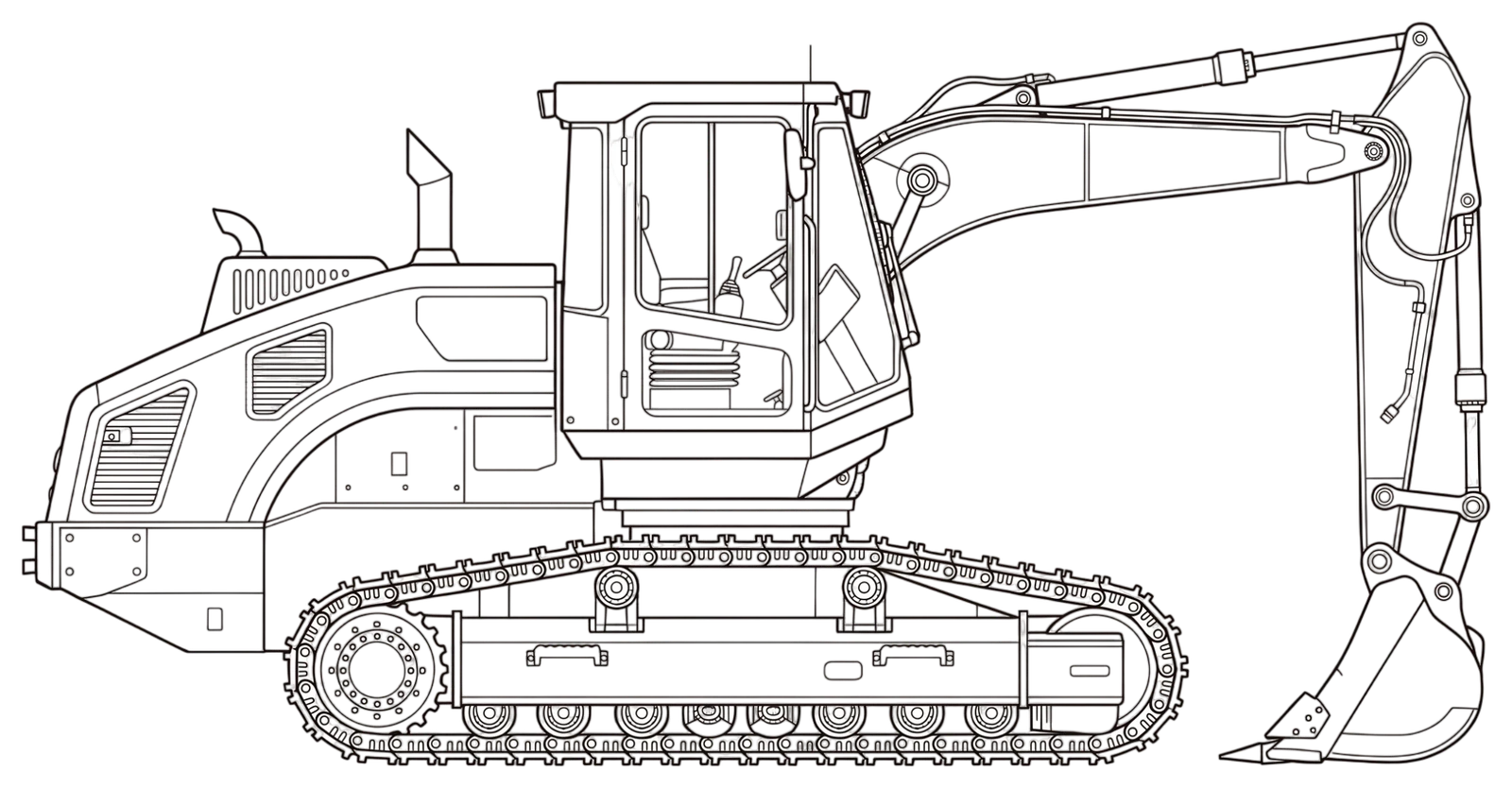
The Mecalac 8MCR is a compact radius crawler excavator in the sub-10-tonne class, designed around Mecalac's short-swing-tail architecture that allows operation in confined urban and roadwork environments without the counterweight overhang typical of conventional machines. Its compact footprint combines the reach and bucket capacity of a conventional mid-range excavator with the site-access profile of a smaller machine. The 8MCR sits at the working end of Mecalac's MCR crawler lineup, positioned for contractors who need productive digging performance alongside tight-space maneuverability.
Applications typiquesLieu d'utilisation de cette machine
The 8MCR class is well suited to urban civil works, utility trenching, road reconstruction, and confined-site earthmoving where swing radius constraints would otherwise require a smaller, less productive machine. The zero or reduced tailswing configuration makes it a practical choice for work alongside live traffic lanes, in courtyards, and inside structures under renovation. Secondary applications include drainage installation, footprint-critical demolition support, and municipal infrastructure maintenance.
Marché actuelPosition tarifaire
In the compact-radius crawler segment the 8MCR is cross-shopped most directly against machines such as the Volvo ECR88D, the Kubota KX080, the Doosan DX85R, and the Caterpillar 308 CR, all of which compete on the combination of short tailswing and sub-10-tonne lifting capacity. What distinguishes the 8MCR within that group is Mecalac's particular emphasis on urban versatility and the brand's European contractor heritage, which gives it a differentiated specification focus compared with the broader-volume Korean and Japanese competitors. Within the 8MCR's own price band, the attributes that drive spread between individual units are accumulated working hours, service history documentation, attachment configuration including quick coupler type and additional hydraulic lines, undercarriage condition particularly track pad and sprocket wear, and whether the machine carries current inspection certification. Machines offered with a factory-approved equipment package or additional verified attachments command stronger positioning than bare units at comparable hours.