Über · Bomag BW138Übersicht
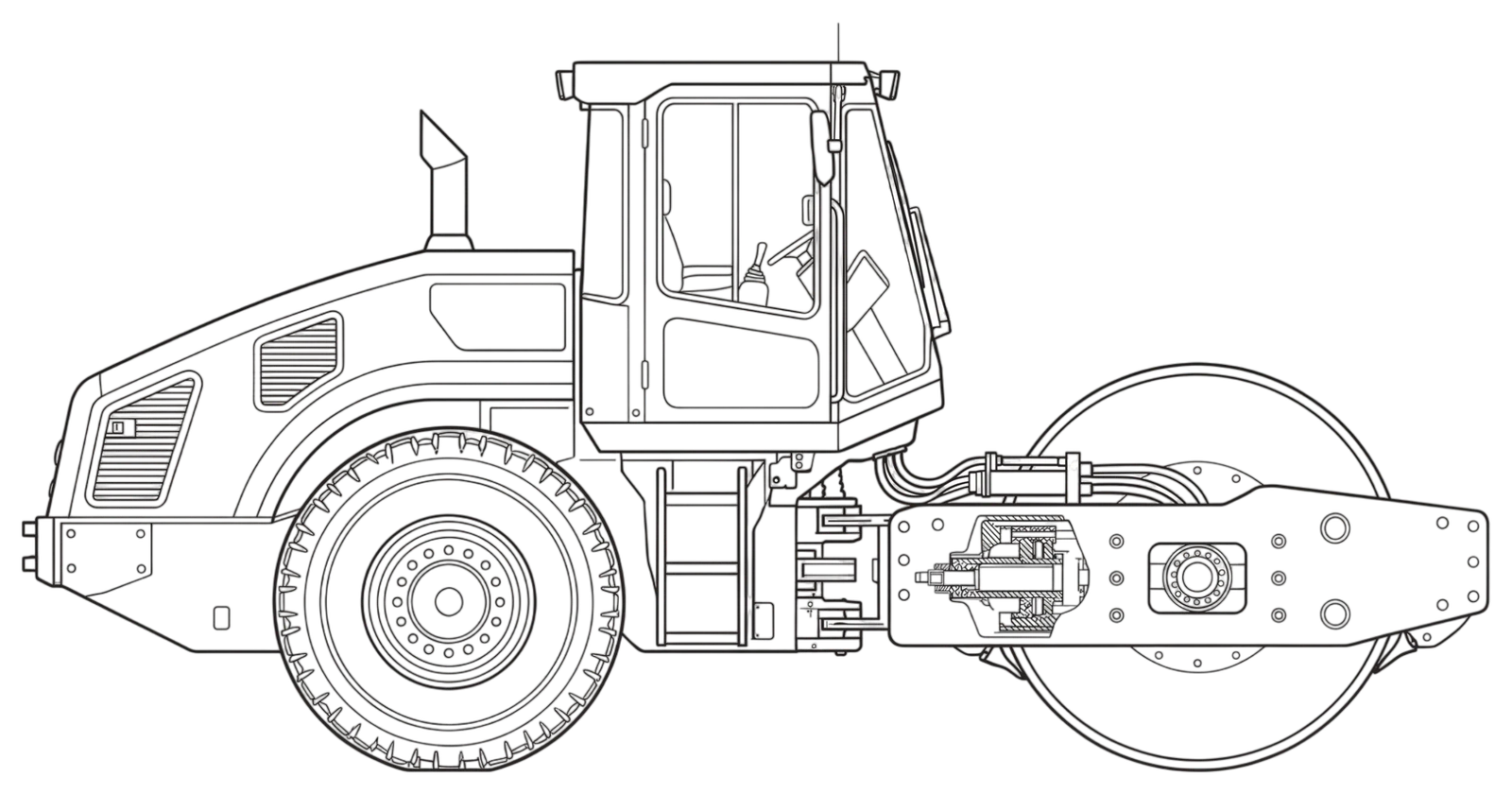
The Bomag BW138 is a single-drum vibratory soil compactor in the light-to-mid compactor class, with an operating weight of 4500 kg and an engine output of 45 hp. It is a product of Bomag, a manufacturer with an established position in the compaction equipment segment. The machine sits in a weight class suited to a broad range of earthworks and infrastructure applications.
Typische AnwendungsbereicheWo diese Maschine eingesetzt wird
Single-drum vibratory compactors in this weight and power range are commonly deployed on road subbase preparation, trench backfill, and general earthworks compaction. They are well suited to municipal contractors and civil engineering firms requiring a versatile, mid-size compaction solution. The 4500 kg operating weight provides adequate compaction force for cohesive and mixed soils on constrained or medium-scale sites.
Gebrauchtmarkt-InspektionWas Sie vor dem Kauf beachten sollten
When inspecting a used Bomag BW138, priority checks should cover the condition of the drum, including any visible cracks, flat spots, or bearing wear that may affect compaction performance. The vibration system, hydraulic circuits, and articulated steering joint should be examined for leaks, play, and general wear. Engine condition, service documentation, and the availability of original parts through the Bomag dealer network are important factors in assessing long-term operating cost. A full test run under load is advisable before purchase to verify that the vibratory mechanism engages correctly and that no abnormal noise is present in the drivetrain.
Aktueller MarktPreisposition
The European market average for the Bomag BW138 stands at EUR 25000, with the current market price range also at EUR 25000, indicating a stable and consistent valuation at this level. Direct competitors in the same class include the Ammann ARX45 and the Hamm HD14, both of which occupy a comparable segment and should be considered as alternative or benchmark units when evaluating purchase value. Buyers comparing these models should assess machine condition, service history, and drum integrity alongside pricing.