Über · Komatsu WA500Übersicht
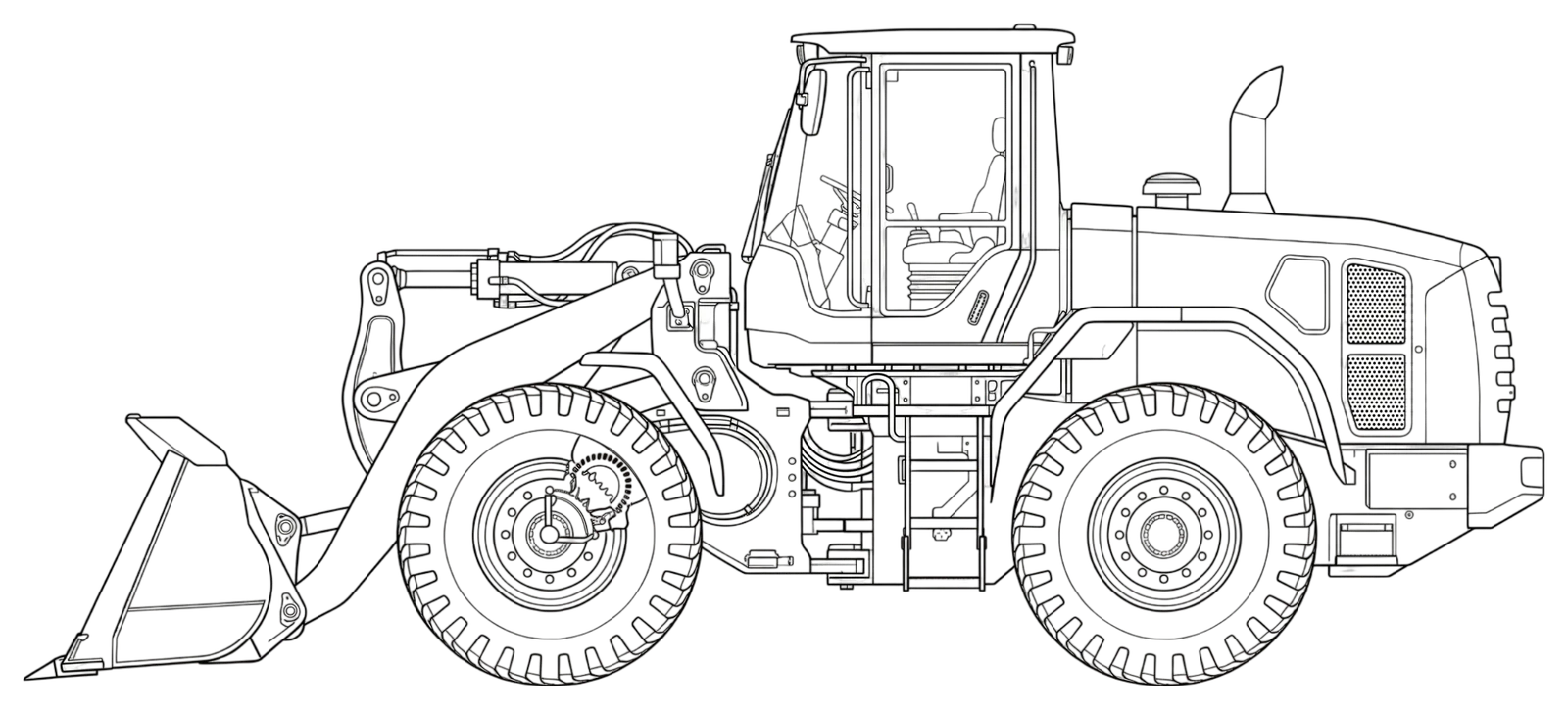
The Komatsu WA500 is a large wheel loader with an operating weight of 35,315 kg and an engine output of 353 hp. It is equipped with a bucket capacity of 6.3 m3, placing it in the heavy end of the wheel loader segment. The model has been in continuous production since 2012, reflecting an established platform with broad parts and service network support.
Typische AnwendungsbereicheWo diese Maschine eingesetzt wird
Machines in this class are suited to high-volume bulk material handling in quarrying, mining support, port operations, and large-scale construction earthworks. The combination of substantial bucket capacity and engine power makes the WA500 appropriate for loading trucks in aggregate or overburden applications. It is also deployed in heavy industrial yards and bulk terminals where cycle efficiency and payload per pass are priorities.
Gebrauchtmarkt-InspektionWas Sie vor dem Kauf beachten sollten
Inspection of a used WA500 should prioritise the condition of the front and rear axles, final drives, and articulation joint, as these components carry significant stress in high-cycle loading applications. The hydraulic system, including lift and tilt cylinders and all hose routing, should be checked carefully for leaks and wear. Undercarriage wear on the tyres deserves close attention given the cost and lead time associated with large-format wheel loader tyres. A full review of service records and oil sample history is advisable before committing to purchase, and a pre-purchase inspection by an independent technician familiar with the model is recommended standard practice.
Aktueller MarktPreisposition
In the European market the WA500 trades across a price range of EUR 70,400 to EUR 89,000, with an average transaction value of EUR 78,667. Directly comparable machines in this weight and power bracket include the Caterpillar 982 and the Volvo L220, both of which compete for the same buyer pool and can serve as reference points when benchmarking asking prices. Buyers should assess where a specific unit sits within the published range relative to its age, configuration, and condition.