Über · Wacker Neuson EZ36Übersicht
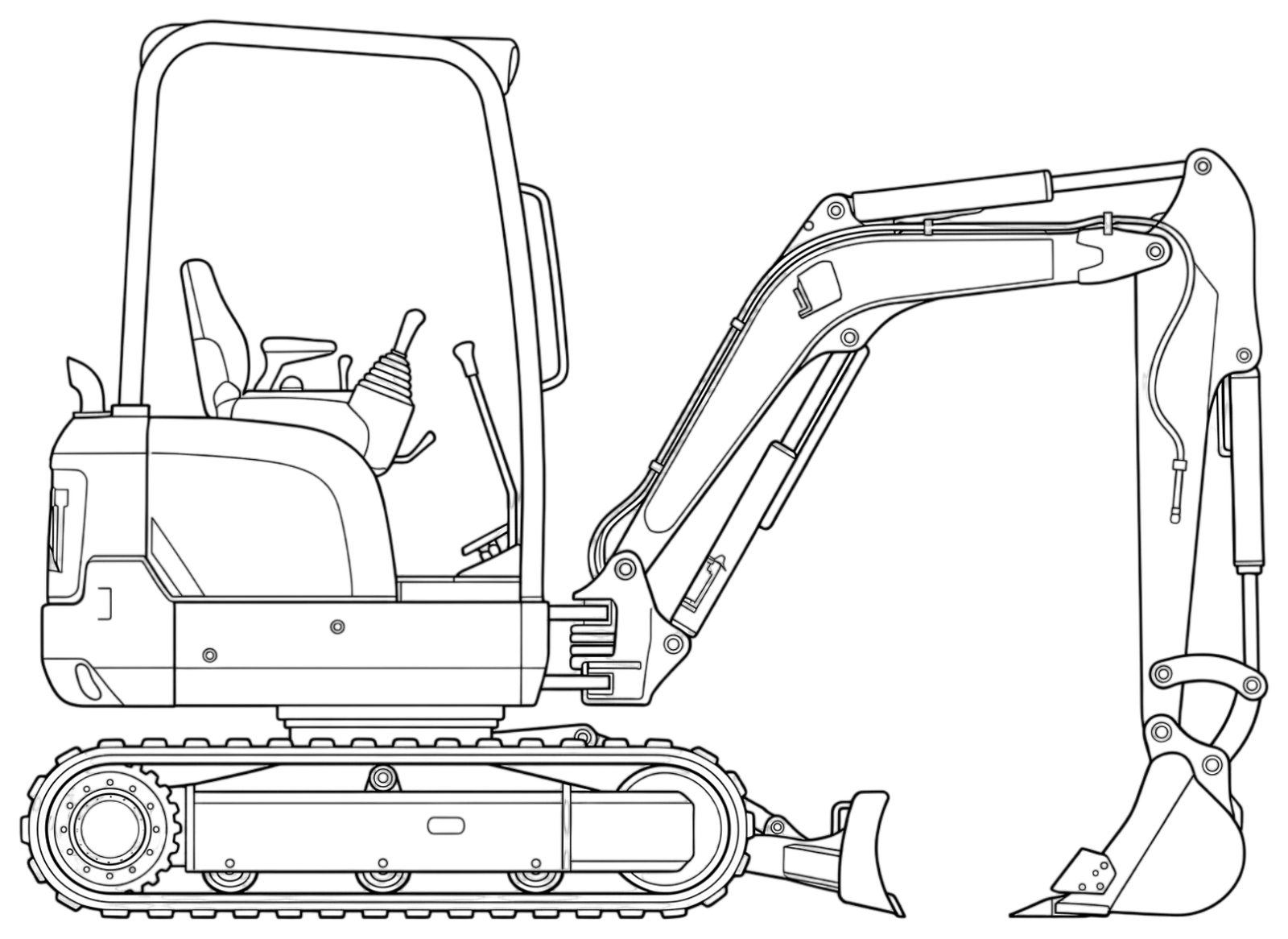
The Wacker Neuson EZ36 is a conventional-tail mini-excavator with an operating weight of 3552 kg and an engine output of 24 hp. It sits in the 3.5-tonne class, a widely adopted segment for contractors requiring a balance between digging performance and transport practicality. The machine competes directly with established alternatives from Hitachi and JCB in the sub-4-tonne category.
Typische AnwendungsbereicheWo diese Maschine eingesetzt wird
Mini-excavators in the 3.5-tonne class are routinely deployed on utility trenching, landscaping, and confined-site groundworks where larger equipment cannot operate. The weight and reach envelope also suits drainage installation, footing excavation for smaller structures, and municipally contracted maintenance work. Versatility with hydraulic attachments, such as breakers and augers, extends the working range of machines in this class.
Gebrauchtmarkt-InspektionWas Sie vor dem Kauf beachten sollten
Prospective buyers should inspect the undercarriage thoroughly, as track wear is one of the primary cost drivers in mini-excavators of this class. Hydraulic hose condition, cylinder seal integrity, and bucket pin wear are standard inspection priorities. Service history documentation should be requested to verify maintenance intervals have been observed. Functional testing of all auxiliary hydraulic circuits, swing bearing play, and blade operation is advisable before purchase. Any structural cracks around the boom foot or dipper arm should be treated as a significant concern requiring specialist assessment.
Aktueller MarktPreisposition
The EZ36 trades in a documented price band of EUR 38840 to EUR 47509 on the European used market, with an average transaction level of EUR 43175. The machine sits alongside the Hitachi ZX35U and the JCB 35Z-1, both of which occupy the same weight class and draw from a comparable buyer base. Pricing position within the band typically reflects age, hours, and specification, and buyers should cross-reference EZ36 values against those competitor models when assessing fair market value.