Acerca de · Ammann RAMMAX1575Resumen
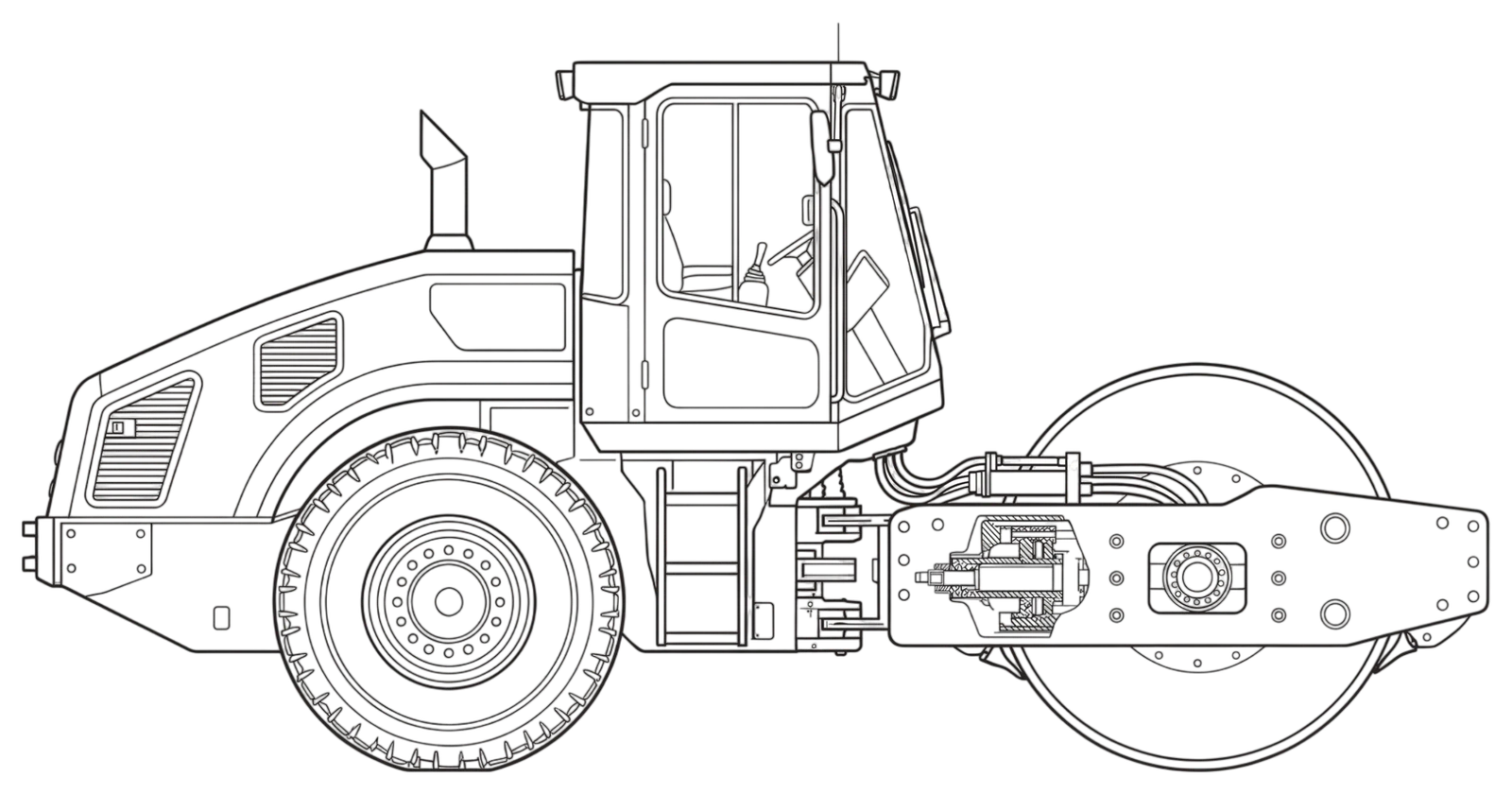
The Ammann RAMMAX1575 is a trench compactor in the light compaction category, with an operating weight of 1340 kg and an engine output of 20 hp. It is designed for compaction work in confined or restricted-access environments where larger roller classes cannot operate efficiently. The machine sits within a well-established segment of the compaction market supported by multiple competing manufacturers.
Aplicaciones típicasDónde se utiliza esta máquina
Trench compactors of this class are commonly deployed for the compaction of backfill material in utility trenches, pipe-laying operations, and road repair excavations. They are also used on residential and civil construction sites where working widths and access restrictions limit the use of full-size tandem or pneumatic rollers. Their relatively low operating weight allows mobilisation with standard towing or transport equipment.
Inspección del mercado de segunda manoQué hay que comprobar antes de comprar
Buyers inspecting a used RAMMAX1575 or comparable trench compactor should assess the condition of the drum and its mounting components for wear, cracks, or impact damage. The vibration system, including eccentric shaft bearings and associated seals, warrants close attention as these components are subject to continuous stress in normal operation. Engine condition, service history documentation, and the state of the water sprinkler system for asphalt applications should all be reviewed prior to purchase. Units sourced without service records carry greater reconditioning uncertainty and should be priced accordingly.
Mercado actualPosición de precios
Based on available European market data, the Ammann RAMMAX1575 trades at an average of EUR 15,512, with a typical price range spanning EUR 11,798 at the lower end to EUR 19,226 at the upper end. This spread reflects variation in age, condition, and hours across available inventory. Comparable machines in this segment include the Bomag BW80 and the Hamm HD8, which serve as direct reference points when evaluating relative value and specification parity.