Acerca de · Sany SY26Resumen
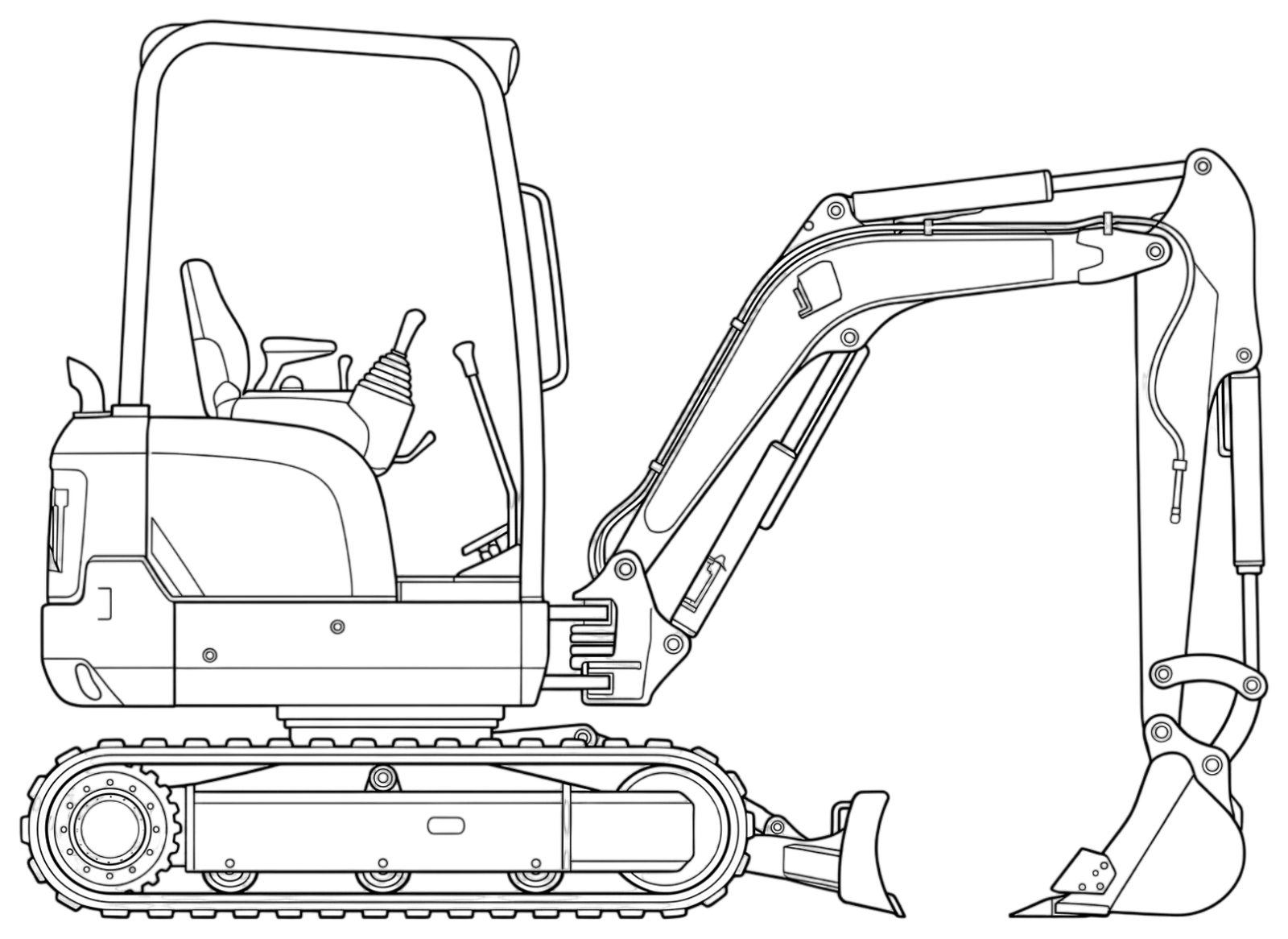
The Sany SY26 is a mini-excavator produced by Sany, one of the largest construction equipment manufacturers globally. It sits within the compact excavator segment, designed to deliver digging, trenching, and grading capability in a reduced footprint suitable for space-constrained job sites. As a mini-excavator, it competes in a class valued for low transport weight, reduced ground disturbance, and versatility across a broad range of light-to-medium earthmoving tasks.
Aplicaciones típicasDónde se utiliza esta máquina
Mini-excavators in this class are widely used for utility trenching, landscaping, foundation work, and site preparation in urban or access-restricted environments. Their compact dimensions make them suitable for work inside building footprints, along fence lines, and in residential settings where larger machines cannot operate. They are also commonly deployed for drainage installation, pipe laying, and small-scale demolition tasks.
Inspección del mercado de segunda manoQué hay que comprobar antes de comprar
When inspecting a used Sany SY26, buyers should assess the condition of the undercarriage, including track wear, rollers, and sprockets, as these are primary cost drivers in the mini-excavator class. The hydraulic system should be checked for leaks, response consistency, and cylinder seal integrity across all functions. Service history documentation, filter records, and evidence of dealer or authorised maintenance support are important indicators of machine care. Buyers should also inspect the boom, arm, and bucket pin wear, as well as the condition of any auxiliary hydraulic circuits if quick-coupler or attachment use is anticipated.
Mercado actualPosición de precios
The European market average for the Sany SY26 is recorded at EUR 95,000, with the documented price range also sitting at EUR 95,000, indicating a narrow and consistent pricing reference point for this model in the current market. Sany competes in the mini-excavator segment alongside established manufacturers, and buyers should assess how this price point aligns with comparable tonnage offerings from competing brands when evaluating total cost of ownership and residual value expectations.