À propos · Hamm HD12Aperçu
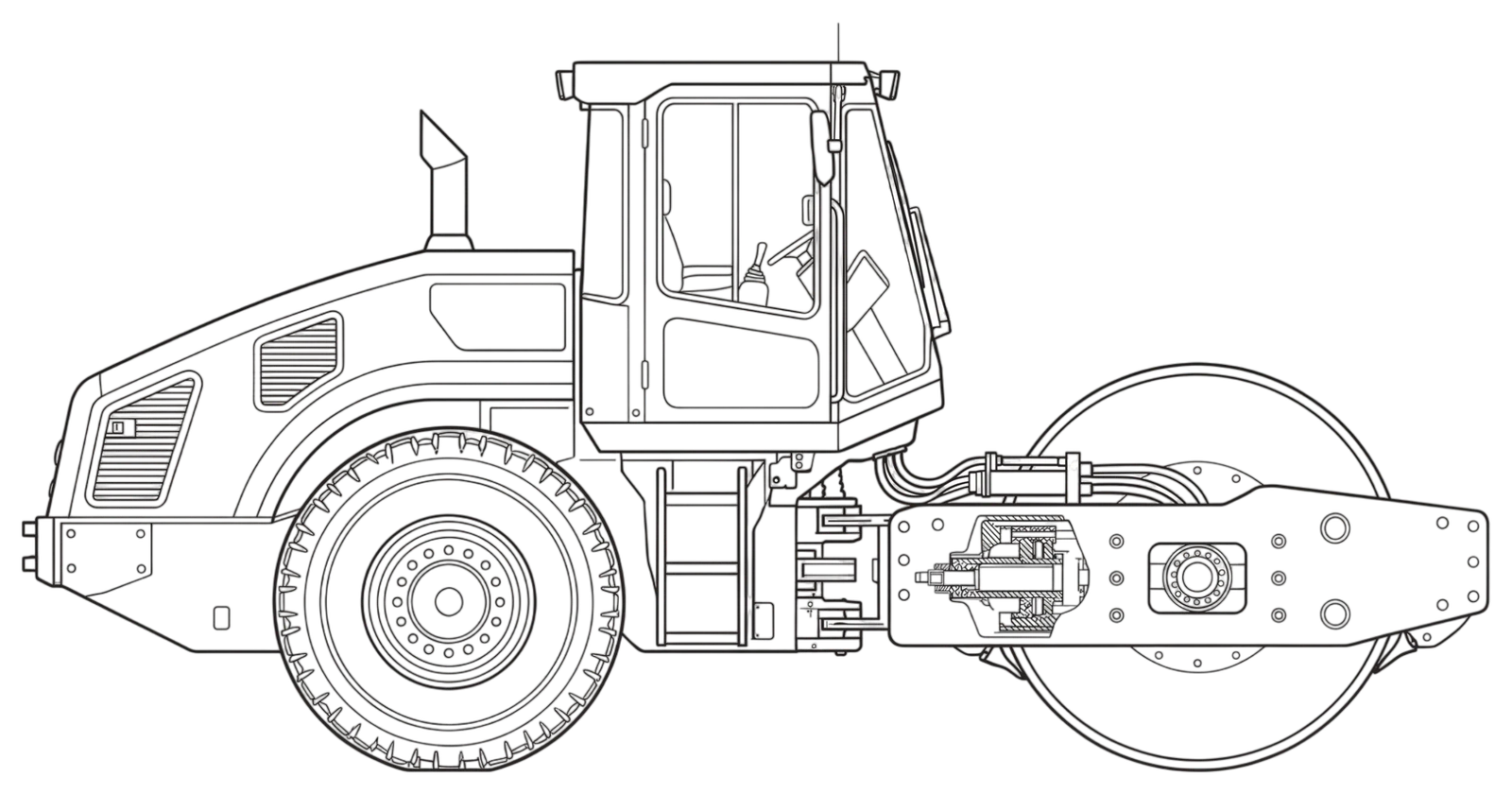
The Hamm HD12 is a double-drum vibratory compactor designed for asphalt and soil compaction tasks on road construction and civil engineering projects. It sits in the light-to-mid tandem roller segment, offering a compact footprint suitable for confined working areas. As a product of Hamm, a brand within the Wirtgen Group, it carries the engineering standards associated with that manufacturer lineage.
Applications typiquesLieu d'utilisation de cette machine
Tandem vibratory rollers of this class are commonly deployed on asphalt paving operations for roads, parking areas, cycle paths, and footways. Their double-drum configuration allows even compaction across the full working width, making them suitable for finishing passes as well as initial breakdown rolling. Contractors also use machines in this segment for compacting granular sub-base materials on smaller civil works.
Inspection du marché de l'occasionCe qu'il faut vérifier avant d'acheter
Buyers should inspect both drums for surface wear, cracks, or flat spots that indicate overloading or improper storage. Vibration system components, including eccentric shafts and bearings, warrant close attention, as wear in these areas directly affects compaction performance and involves meaningful repair scope. Checking hydraulic hoses, fittings, and the articulated steering joint for leaks or play is advisable before purchase. A full service history and evidence of regular drum scraper maintenance are positive indicators of machine care. Where possible, a compaction performance test on site provides more reliable condition data than a static inspection alone.
Marché actuelPosition tarifaire
In the European used-equipment market, the HD12 trades at an average of EUR 17,313, with a typical price range running from EUR 16,520 to EUR 18,300. This band positions it as a competitively priced option within the light tandem compactor segment, where it competes against comparable models from manufacturers such as Dynapac, Bomag, and Ammann. Condition, age, and documented service history are the primary variables that place individual units toward the lower or upper end of that range.