Informacje · Caterpillar 321Przegląd
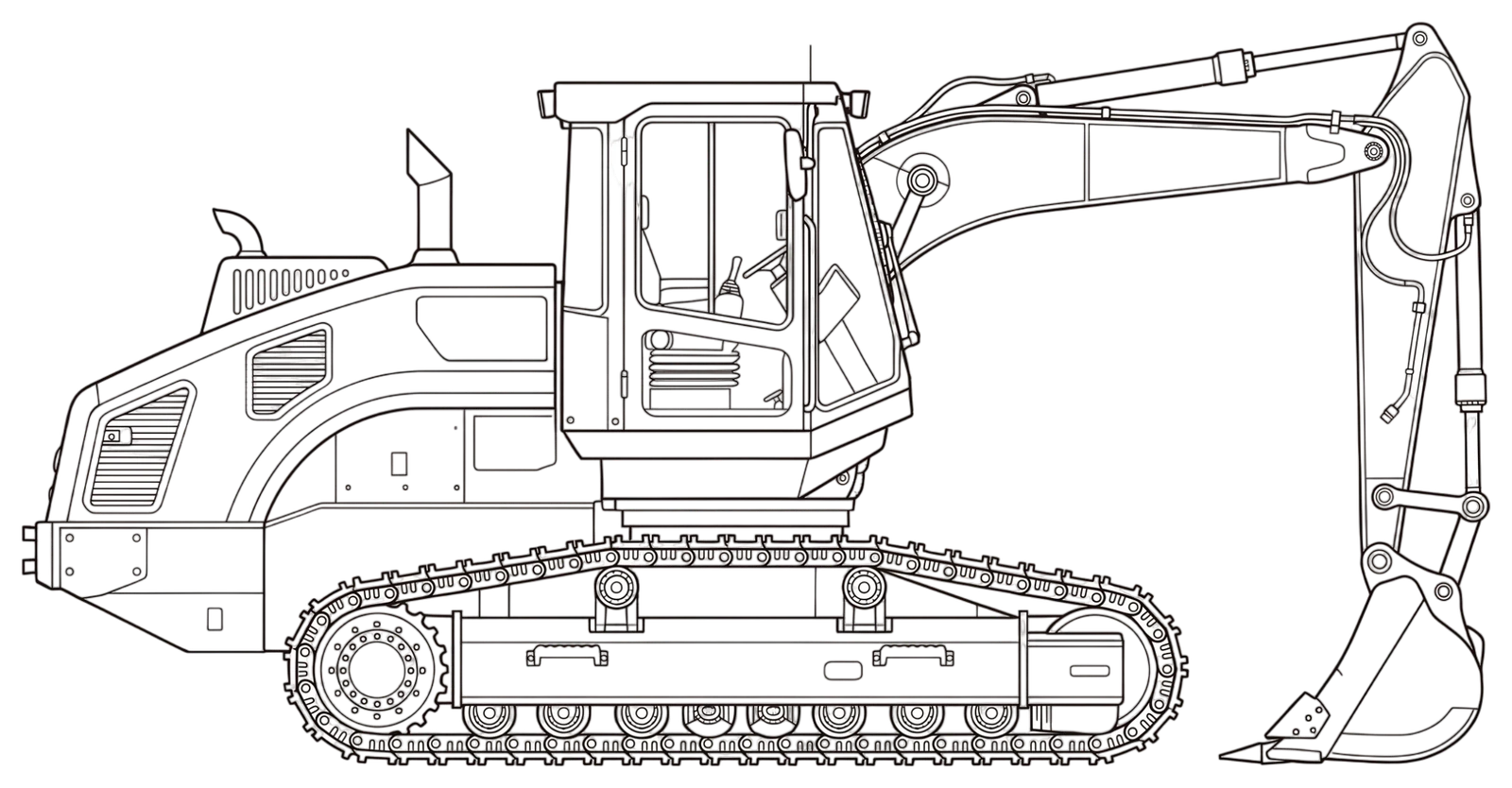
The Caterpillar 321 is a 23-tonne class hydraulic excavator producing 148 hp, with a rated bucket capacity of 1.07 m3. It sits in the upper range of the mid-size excavator segment, occupying the gap between compact machines and full-size heavy excavators. Built under Caterpillar's established manufacturing standards, it carries the engineering lineage and dealer support network that defines the Cat brand in this weight class.
Typowe zastosowaniaGdzie ta maszyna jest używana
Machines in the 20-to-25-tonne excavator class are suited to civil earthworks, road construction, pipeline trenching, and site preparation where reach, breakout force, and cycle time matter. The 321 is also a practical choice for quarry and aggregate handling given its bucket capacity, as well as for foundation work and utility installation in urban or semi-urban environments. Its operating weight places it within the capacity range required by general contractors managing medium-to-large infrastructure projects.
Kontrola rynku wtórnegoCo sprawdzić przed zakupem
Inspection of a used 321 should begin with the undercarriage, as tracks, rollers, and sprockets represent a significant portion of reconditioning exposure on any machine in this weight class. Hydraulic circuits warrant close attention, including hose condition, cylinder seals, and any evidence of slow drift or reduced pressure under load. The swing bearing and boom-to-stick pin condition are standard wear points to assess in 20-tonne-plus excavators. Request full service records and, where available, Cat Product Link or equivalent telematics history to verify reported hours and identify any fault codes. A pre-purchase inspection by an independent engineer or authorised dealer technician is advisable before committing to any unit.
Obecna sytuacja rynkowaPozycja cenowa
The Caterpillar 321 is cross-shopped primarily against the Komatsu PC228 and the JCB 220X. The PC228 is a comparable 22-tonne class machine with a similarly positioned power output, and buyers frequently compare the two on dealer network reach, parts availability, and long-term reliability records. The JCB 220X is a direct-displacement competitor that competes on build quality and total cost of ownership, with some buyers favouring its cab ergonomics. Within the 321 segment itself, the attributes that move a machine within its price band are recorded service hours, maintenance history, mechanical condition, configuration such as long-reach or standard boom, and the presence of attachments including quick-couplers, buckets, or hydraulic hammers. Telematics data and remaining undercarriage life are also recognised value drivers at point of sale.