Informacje · Komatsu PC170Przegląd
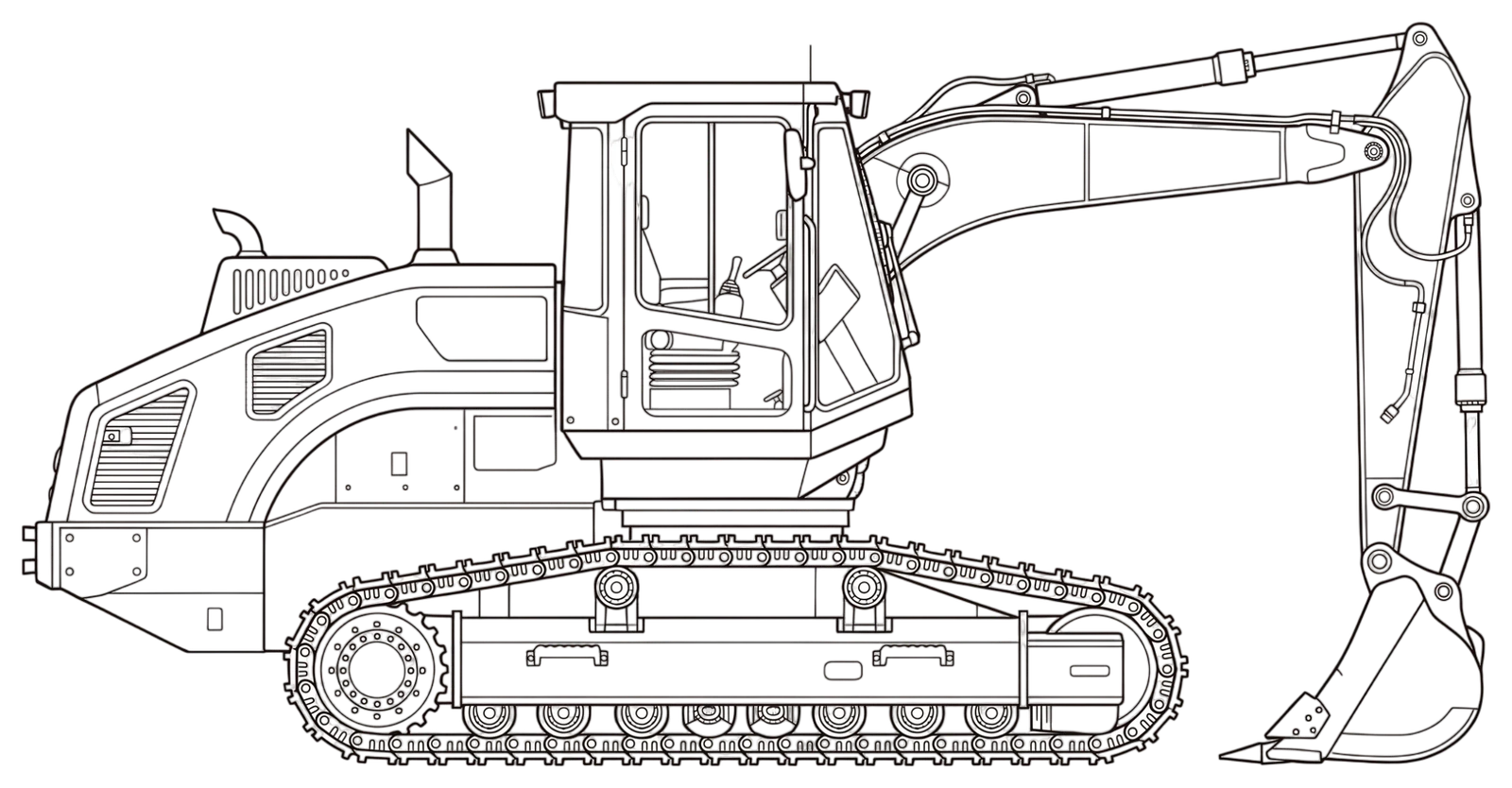
The Komatsu PC170 is a mid-size hydraulic excavator positioned in the 17-tonne operating weight class. It is designed to balance digging performance and fuel efficiency within a compact enough footprint for a broad range of site conditions. The machine reflects Komatsu's established engineering approach to reliability and serviceability in the construction equipment sector.
Typowe zastosowaniaGdzie ta maszyna jest używana
Mid-size excavators in this class are well suited to earthmoving, foundation preparation, utility trenching, and general civil construction tasks. They are frequently deployed on road building, drainage projects, and site clearance work where a larger machine would be impractical or where ground conditions require controlled loading. The PC170 class also sees regular use in landscaping, pipeline installation, and municipal infrastructure projects.
Kontrola rynku wtórnegoCo sprawdzić przed zakupem
When evaluating a used PC170, buyers should commission a full hydraulic pressure test and inspect all cylinders, hoses, and control valve circuits for wear or leakage. The undercarriage, including track pads, rollers, and sprockets, warrants close attention as replacement represents a significant cost component. A review of service history for evidence of scheduled maintenance, filter changes, and coolant management is advisable. Structural inspection of the boom, arm, and attachment mounting points for cracks or weld repairs is standard practice, and a machine data download from the onboard monitoring system, where available, can provide objective insight into operating patterns and fault history.
Obecna sytuacja rynkowaPozycja cenowa
In the European market the Komatsu PC170 carries an average price of EUR 95,500, with the typical transaction range running from EUR 84,700 to EUR 109,000. This positioning places it in a competitive segment alongside other established 17-tonne class excavators from manufacturers such as Caterpillar, Volvo, Hitachi, and Liebherr. Buyers can expect pricing to reflect factors such as machine age, hours, configuration, and attachment fitment, with well-specified examples tending toward the upper end of the stated range.