Informacje · Liebherr L586Przegląd
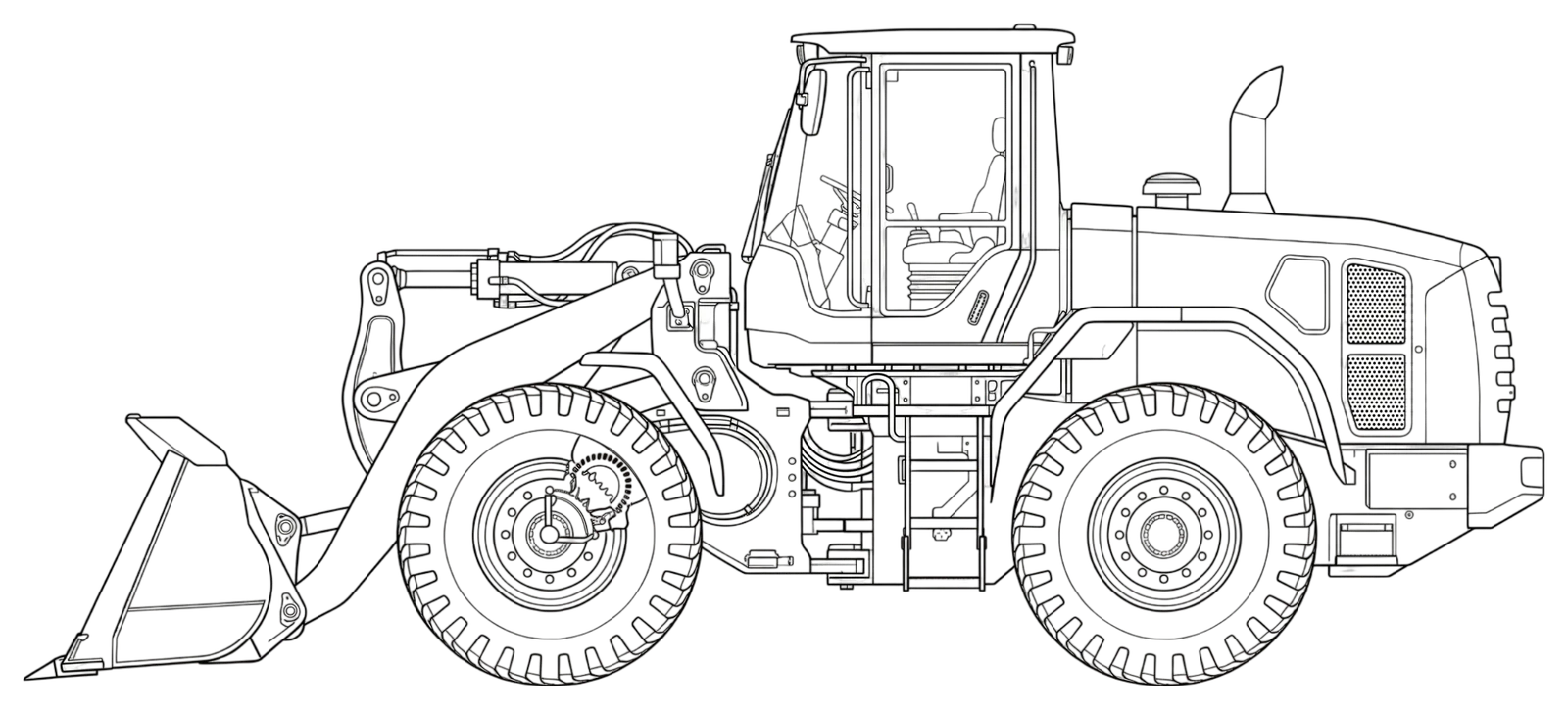
The Liebherr L586 is a large-class wheel loader with an operating weight of 31,400 kg and an engine output of 348 hp. It is equipped with a bucket capacity of 5.5 m3, positioning it firmly in the heavy-duty segment of the wheeled loading market. Built to Liebherr's established engineering standards, the L586 represents a high-capacity option for operations requiring substantial material throughput.
Typowe zastosowaniaGdzie ta maszyna jest używana
Large wheel loaders in the L586 class are suited to bulk material handling in quarrying, mining support, port operations, and major civil engineering projects. Their bucket capacity and operating weight make them appropriate for loading trucks, stockpile management, and heavy aggregate handling. They are also deployed in large-scale recycling yards and industrial sites where high cycle volumes and robust structural demands are routine.
Kontrola rynku wtórnegoCo sprawdzić przed zakupem
When inspecting a used L586 or any wheel loader of this class, prioritise a thorough examination of the articulation joint, steering cylinders, and boom pivot points for wear and structural fatigue. The hydraulic system, including pump condition and cylinder seal integrity, warrants careful pressure testing. Drivetrain components, axle seals, and tyre condition should be assessed given the load cycles typical of this machine class. A verified service history and documented oil sample analysis are important indicators of maintenance discipline. Independent pre-purchase inspection by a qualified technician is advisable before committing to any transaction.
Obecna sytuacja rynkowaPozycja cenowa
The Liebherr L586 is currently positioned in the European used market at approximately EUR 49,900. This price point places it in direct competition with comparable large-frame wheel loaders such as the Hyundai HL980 and the Caterpillar 980, both of which occupy a similar operational class. Buyers evaluating the L586 against these alternatives should assess total ownership costs, local dealer support availability, and parts supply chains when making acquisition decisions.