About · Caterpillar 232Overview
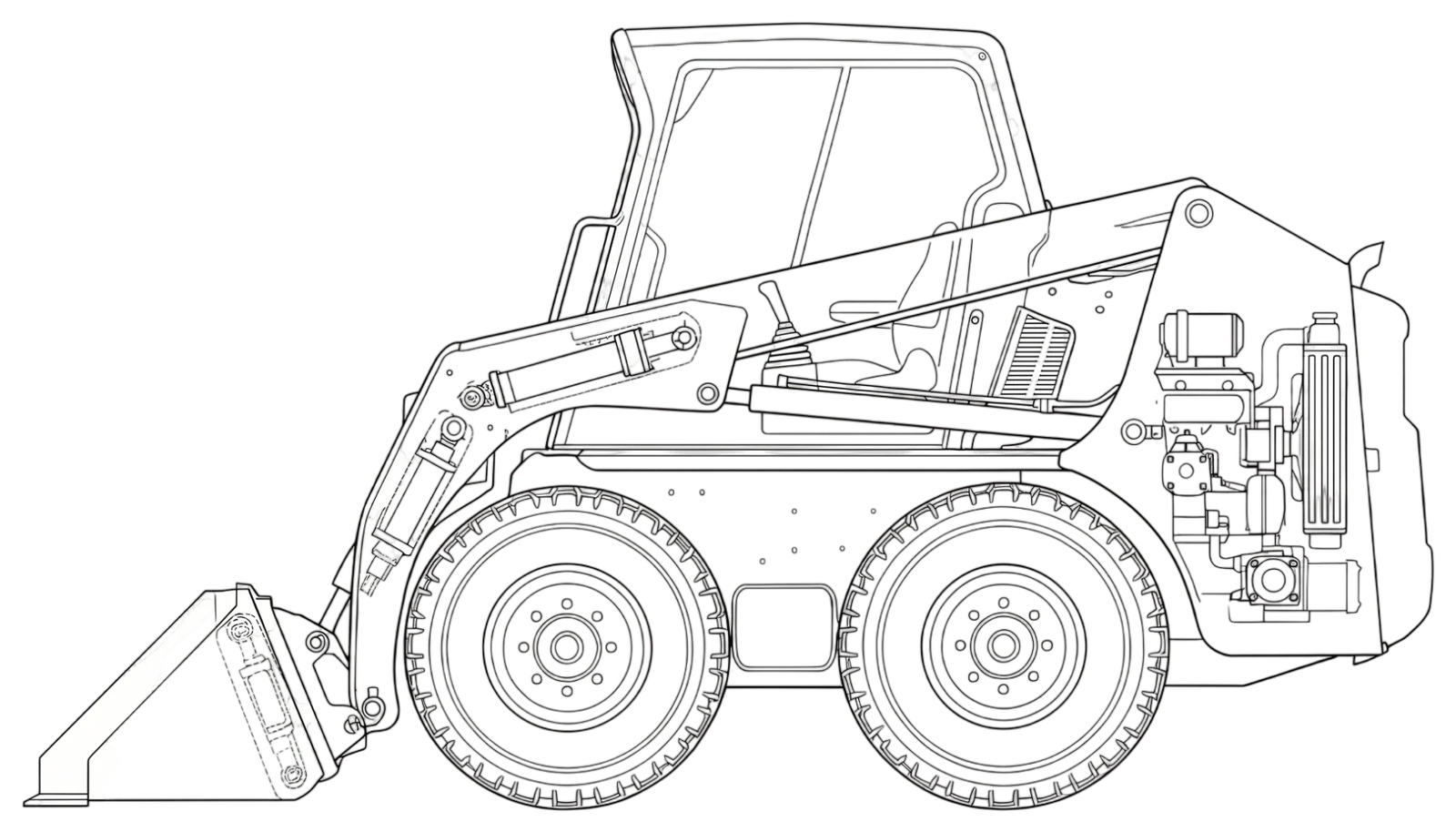
The Caterpillar 232 is a skid-steer loader produced by Caterpillar, sitting in the mid-range of the compact skid-steer segment. It is a radial-lift machine designed to deliver a balance of reach and breakout force suited to general construction and landscaping cycles. As a Cat-badged unit, it carries the brand's reputation for drivetrain durability and dealer support network depth, which sustains its position in the used market across multiple ownership cycles.
Typical applicationsWhere this machine is used
Skid-steer loaders of this class are used across site preparation, material handling, landscaping, agriculture, and light demolition tasks. Their compact footprint and tight turning radius make them well suited to confined work areas such as urban construction sites, yard maintenance, and barn or stable management. A wide range of hydraulic attachments, including augers, sweepers, grapples, and trenchers, extends the machine's utility across sectors.
Used-market inspectionWhat to check before buying
Inspect the loader arms, pivot pins, and bushings for play and wear, as these are high-cycle components on any skid-steer. Check the hydraulic couplers and auxiliary hydraulic circuit for leaks and correct flow, particularly if the machine has been used extensively with attachments. Examine the undercarriage, including tires or tracks if applicable, drive motors, and chains, for wear that may represent near-term replacement cost. Review engine hours on the display and cross-reference with service records to verify oil change intervals and filter history. Cab condition, visibility, and control ergonomics should be assessed in person, as these affect operator productivity on long shifts. Request any available inspection or service history and, where possible, conduct a cold-start test to assess engine behavior before hydraulics reach operating temperature.
Current marketPrice position
The Caterpillar 232 is cross-shopped primarily against comparable mid-range skid-steers from Bobcat, Case, John Deere, and New Holland, all of which compete in the same operating-weight and rated-operating-capacity bracket. Within that group, buyers weigh the Cat dealer network and parts availability against the typically broader Bobcat service footprint and the value positioning often associated with Case and New Holland units. Within the 232's own price band, the attributes that move a unit are accumulated hours, lift configuration, undercarriage condition, tire wear, and the presence or absence of a cab enclosure with heat or air conditioning. Machines equipped with a full hydraulic attachment package and low hours command the upper end, while high-hour units or those with wear-related deferred maintenance sit at the lower end regardless of cosmetic condition.