About · Caterpillar 306Overview
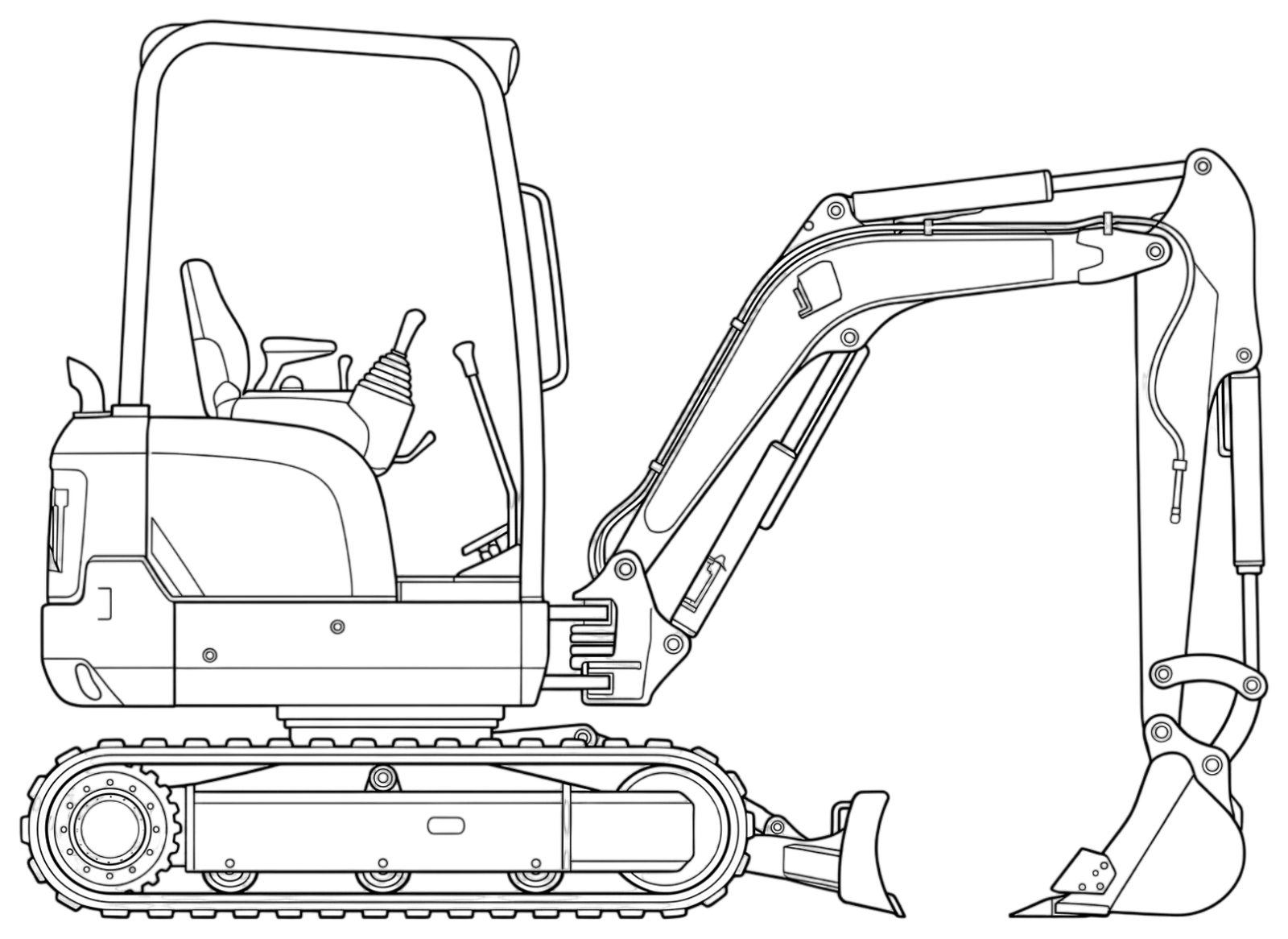
The Caterpillar 306 is a mini-excavator in the 6-tonne class, positioned at the upper end of the compact excavator segment where machines begin to offer meaningful digging depth and lifting capacity without sacrificing site accessibility. It operates at 6,411 kg and is powered by a 56 hp engine, delivering a working capability that bridges the gap between lighter utility machines and full-size short-radius excavators. With a bucket capacity of 0.16 m3, the 306 is built for productive cycle times on confined and semi-confined sites alike.
Typical applicationsWhere this machine is used
Machines in this weight and power class are suited to urban construction, drainage and utility trenching, landscaping groundworks, and foundation preparation on sites where larger equipment cannot operate efficiently. The 6-tonne category is also widely used in road maintenance, municipal infrastructure work, and agricultural earthmoving where transport logistics favour a machine that can move between sites without a heavy haulage permit in many jurisdictions. Attachment versatility, including hydraulic breakers, augers, and compaction plates, extends the operational range of these machines considerably.
Used-market inspectionWhat to check before buying
Inspecting a used 306 should begin with the undercarriage, as track wear on rubber or steel pads, sprocket condition, and idler play are primary cost drivers at resale and in continued operation. The hydraulic system warrants close attention, including cylinder seals, hose condition, and any evidence of oil weeping at the boom, arm, and attachment circuits. Engine oil colour, coolant condition, and any smoke on startup or under load are reliable indicators of maintenance quality. Buyers should request service records and verify that any hours displayed on the machine correspond to documented service intervals. On machines fitted with a quick-coupler, the locking mechanism and wear on the coupler jaws should be confirmed functional and within tolerance. Cab condition, including the condition of the ROPS structure, seat, and controls, reflects overall care and affects operator productivity and resale positioning.
Current marketPrice position
The Caterpillar 306 competes directly with the JCB 86C-1 and the Komatsu PC60 in the upper mini-excavator bracket. The JCB 86C-1 is a zero-tail-swing design, giving it an advantage on confined urban sites where swing clearance is critical, while the Caterpillar 306 and Komatsu PC60 follow a more conventional tail configuration that generally supports greater counterweight and stability during heavier lifts. The Komatsu PC60 sits in a comparable power band and has a strong parts and service network in markets where Komatsu dealer coverage is dense, whereas the Caterpillar 306 benefits from the breadth of the Cat dealer infrastructure and the familiarity of the Cat platform for mixed-fleet operators. Within the 306 segment, the attributes that move a unit within its price band are recorded operating hours, service and maintenance history, undercarriage condition, the presence of a quick-coupler system, the number and type of attachments included, cab specification such as air conditioning and visibility aids, and overall machine condition including paint, glass, and structural integrity.