About · Caterpillar D8TOverview
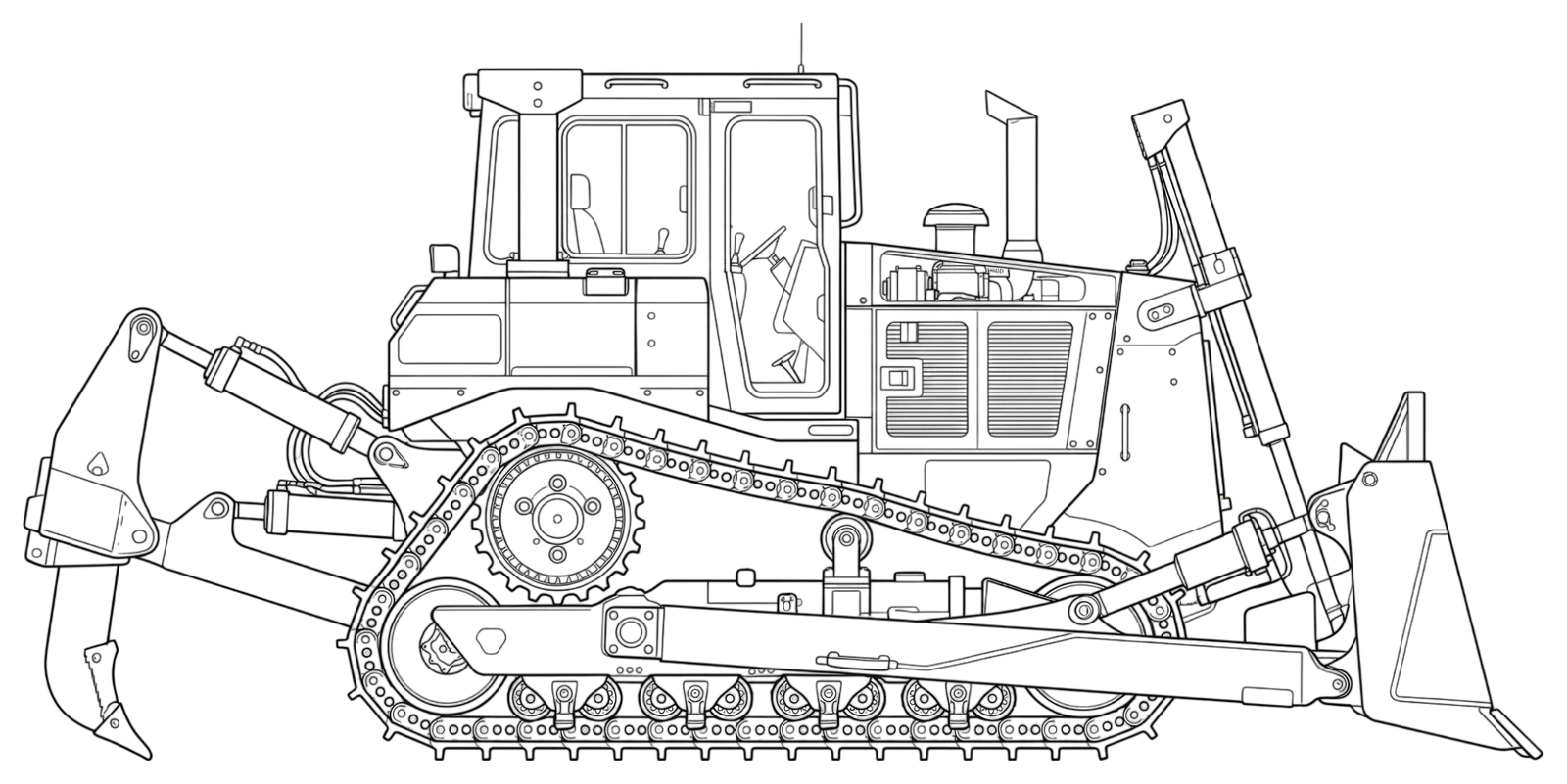
The Caterpillar D8T is a large-class tracked bulldozer with an operating weight of 39,750 kg and an engine output of 354 hp. It carries a blade capacity of 10.3 m3, positioning it firmly in the heavy dozing segment. The model has been in continuous production since 2004, establishing a long and well-documented service history across global markets.
Typical applicationsWhere this machine is used
Machines in this class are deployed on large-scale earthmoving projects including mine site preparation, dam construction, and major infrastructure development. The D8T's blade capacity and operating weight make it well suited to bulk material pushing, land clearing, and stockpile management. It is also commonly used in quarrying and forestry applications where high drawbar pull and durability are primary requirements.
Used-market inspectionWhat to check before buying
Prospective buyers should commission a full undercarriage inspection, as track components represent a major cost centre on machines of this class and wear rates are highly dependent on operating terrain. Engine and hydraulic system condition should be verified through oil sampling and a review of available service records. Buyers should confirm that blade, push arms, and tilt cylinders show no evidence of structural repair or misalignment. Where available, Cat Product Link telematics data can provide useful insight into load factor and utilisation patterns. Machines with documented dealer service histories and original configuration generally command stronger resale positioning within the observed price range.
Current marketPrice position
In the European market, D8T units are priced across a broad spectrum, ranging from EUR 210,000 to EUR 488,598, with an average transaction level of EUR 317,620. This spread reflects significant variation in age, configuration, and condition among available units. The D8T competes directly with the Komatsu D155 and the Dressta TD-25 in the heavy crawler dozer segment, and buyers should evaluate total ownership positioning relative to those alternatives when assessing value.