About · Liebherr L566Overview
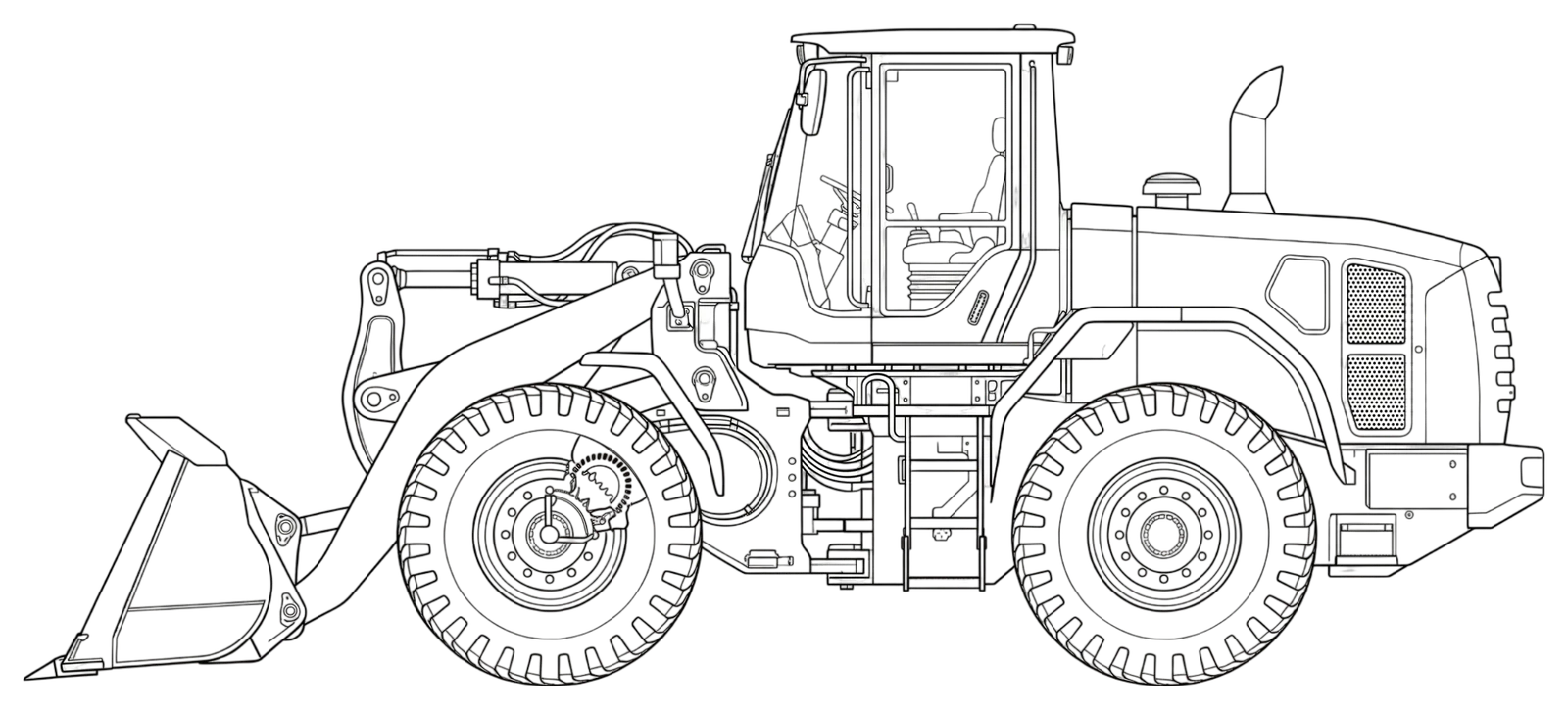
The Liebherr L566 is a large wheel loader in the 23-tonne operating weight class, producing 255 hp and carrying a bucket capacity of 3.98 m³. It represents Liebherr's upper-mid range in the articulated wheel loader segment, positioned for high-throughput bulk material handling. The L566 is built around Liebherr's in-house driveline philosophy, which distinguishes it from competitors that source major drivetrain components externally.
Typical applicationsWhere this machine is used
Wheel loaders in this weight and capacity class are typically deployed in quarrying, aggregate handling, port and terminal operations, construction site bulk earthmoving, and large-scale recycling yards. The 3.98 m³ bucket capacity makes the L566 well suited to loading haul trucks and feeding primary crushers or processing plants. It is also used in road building and infrastructure projects where high cycle rates and material throughput are priorities.
Used-market inspectionWhat to check before buying
Inspection of a used L566 should begin with a review of the full service history, with particular attention to hydraulic oil sample records and any documentation of transmission servicing. The articulation joint and steering cylinders should be checked for play and seal condition, as these are high-wear points on machines operating in abrasive environments. Tyre wear is a significant value driver in this class and should be assessed carefully, including sidewall condition on all four positions. The boom and bucket pin bores, lift arm bushings, and coupler interface should be inspected for elongation or scoring. A cold-start check of the engine for smoke and a loaded hydraulic cycle test will help identify pressure loss or response issues. Buyers should verify that any attachments included are factory-approved or rated to the machine's hydraulic specifications.
Current marketPrice position
The L566 is cross-shopped directly against the Caterpillar 966 and the Hyundai HL770, all occupying the same operating weight class for large wheel loaders. Against the Caterpillar 966, the L566 is often compared on driveline integration and serviceability, as Liebherr manufactures its own engines and hydraulics, while Caterpillar similarly controls its core components. Against the Hyundai HL770, the L566 typically holds a stronger residual position in European markets due to brand recognition and parts network density. Within this class, the attributes that move a machine through its price band include recorded service hours, full service history documentation, tyre condition and remaining tread life, the presence of a high-tip or rock bucket configuration versus a standard general-purpose bucket, optional weighing systems or ride-control fitment, and overall structural and hydraulic condition. Machines with lower hours, documented dealer servicing, and matched attachments command stronger positions in the band.