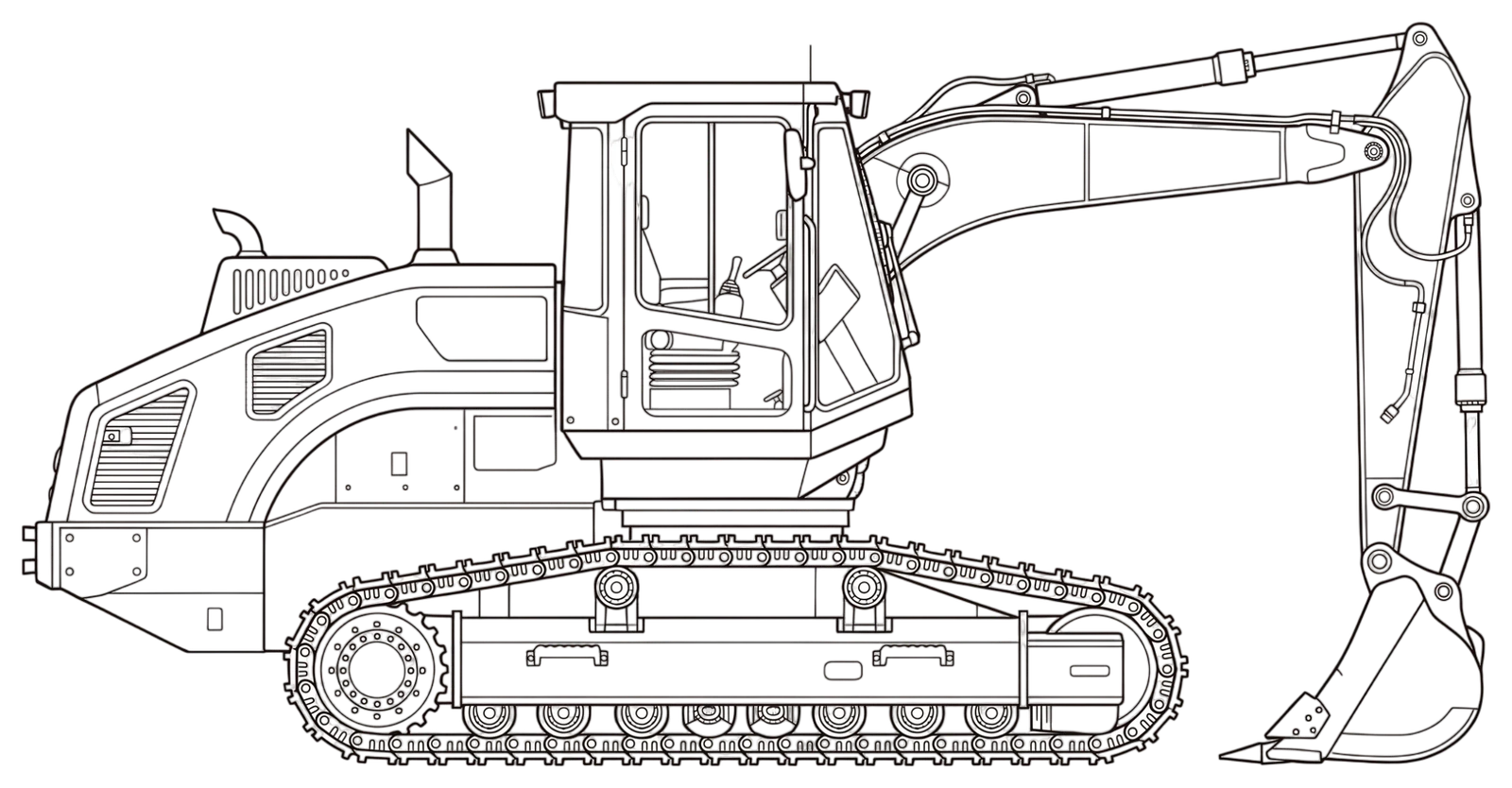
Caterpillar 320

11 active listings · €115,833 median · excavator

Active listings
11
Median price
€115,833
Typical range
€80k–155k

About the Caterpillar 320

The Caterpillar 320 is a modern 20-tonne hydraulic excavator, launched in 2018 as the Next Generation 320 and designed as the direct successor to the popular 320E and 320D models. Powered by a Cat C7.1 ACERT engine producing 153 hp, the 320 features a new cab design with a 10-inch touchscreen monitor, a revised hydraulic system achieving up to 25% fuel savings compared to its predecessor, and factory-standard Grade 2D basic grade control. Cat's E-Fence boom lower and swing restrictor functions are included, enhancing safety on restricted urban job sites.

Typical applications

The Cat 320 is the dominant all-purpose excavator across European construction markets in the 20-tonne class. Dutch utility contractors use it daily for water main and gas pipe replacement in road trenches. Belgian residential and commercial builders use it for foundation excavation and basement construction. German contractors depend on it for versatile site work across road, rail, and building projects. Its factory-fitted Grade 2D system allows operators to set a minimum dig depth that prevents overexcavation — a feature that saves significant rework time and material cost on precision foundation projects.

What to look for when buying used

Inspect the hydraulic main pump for any contamination or excessive case drain flow — the Next Generation 320 uses a new pump configuration that is more sensitive to oil quality than the prior 320D. Confirm the Cat Grade 2D system is calibrated and that the tilt-bucket (if fitted) calibration is current. Check the undercarriage tracks for even wear across the pad width; the 320 is often fitted with narrow 600mm pads for road transport, which accelerate wear in heavy soil conditions. Review the VIMS history for any recurring fault codes, particularly those related to the emission-control system.

Market context

The Cat 320 is among the most liquid assets in the European used excavator market. It competes with the Komatsu PC210, Hitachi ZX210, and Volvo EC220. Cat's residual values are consistently strong due to the brand's widespread dealer coverage and the 320's dominant market position. In NL/BE/DE, pricing is very transparent — the large used machine population means benchmark data is abundant. The 2019–2023 Next Generation models command a premium over the older 320D series, reflecting the technology advantages and improved fuel economy.

Common problems at high hours

The Next Generation 320 main hydraulic pump uses an electronically controlled displacement system that is more sensitive to oil quality than the previous 320D platform — contamination-related pump failures cost €7,000–10,000 to rectify. The C7.1 engine SCR aftertreatment system can develop DEF injector fouling at 5,000–7,000 hours if low-quality AdBlue has been used, resulting in power derating and a repair bill of €1,800–2,500. Independent Cat service workshops in Belgium report that the E-Fence safety system wiring harness develops chafing near the boom foot on machines above 6,000 hours, causing intermittent fault codes. The quick-coupler hydraulic circuit check valves are a known weak point when aftermarket couplers have been fitted without proper pressure matching.

Resale value trajectory

The Cat 320 commands the strongest residual values in the 20-tonne European excavator market, reflecting its dominant brand position and the largest buyer pool of any machine in this class. Machines from the 2019–2022 Next Generation production window have retained approximately 62–70% of their original list price after three years — the highest retention rate in the segment. The older 320D and 320E series have now stabilised at lower price points, creating a clear two-tier market. In NL/BE/DE, pricing transparency is excellent due to the sheer volume of transactions. Grade-equipped machines and those with documented low idle-time percentages attract measurable premiums at resale.

Alternatives in this class

The Komatsu PC210 is the strongest alternative — it offers comparable hydraulic performance with a reputation for superior engine longevity, at typically 5–8% lower acquisition cost. The PC210 is preferred by operators who prioritise mechanical simplicity and lower long-term parts expenditure. The Volvo EC220 should be considered by buyers who value cab comfort and tiltrotator compatibility — Volvo’s factory hydraulic integration for Engcon systems is the best in class, making it the default choice for Scandinavian-method contractors in the Netherlands. The Hitachi ZX210 provides the lowest cost of entry in this competitive set, with solid build quality and dependable hydraulics, though its resale liquidity is lower than Cat or Komatsu.

Further reading