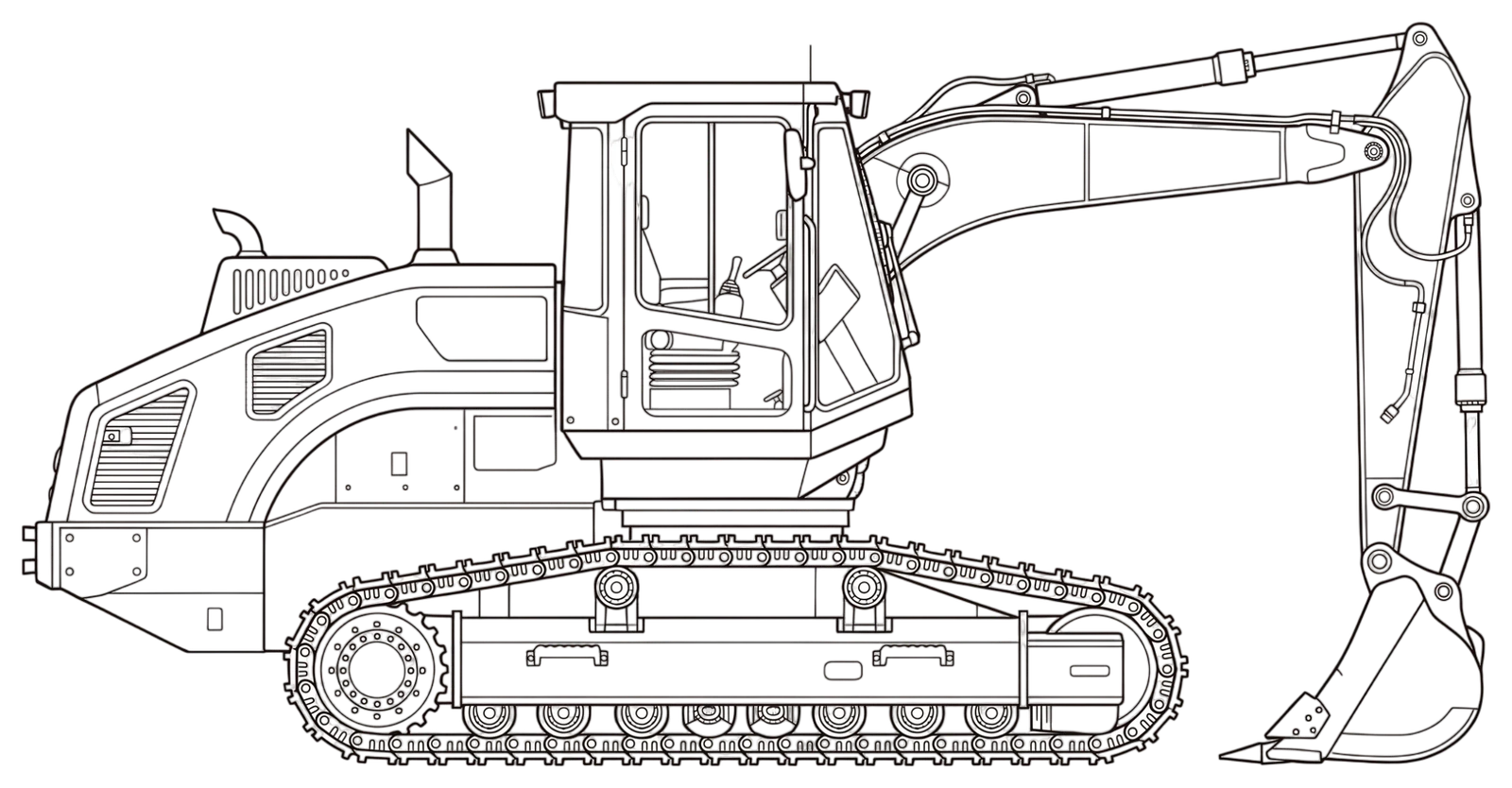
Caterpillar 336

9 active listings · €198,333 median · excavator

Active listings
9
Median price
€198,333
Typical range
€168k–227k

About the Caterpillar 336

The Caterpillar 336 is a modern 36-tonne hydraulic excavator, part of Cat's Next Generation excavator family introduced in 2018. It is powered by a Cat C9.3B ACERT engine producing 269 hp and operates a 1.69 m³ standard bucket. The 336 replaced the prior 336E model and introduced a fully redesigned cab with a touchscreen monitor, a new hydraulic system with up to 45% fuel savings in E-mode, and factory-standard Cat Grade 2D basic grade control. A full 3D Grade capability is available as a technology upgrade, making it one of the most technology-ready machines in its class.

Typical applications

The Cat 336 is increasingly the machine of choice for European contractors pursuing large-scale earthmoving with precision grading requirements. German road contractors use it for bulk excavation and intelligent compaction monitoring integration. Dutch foundation contractors use it for deep pile cap and basement excavation where GPS-guided depth control reduces over-excavation. Belgian port dredging contractors use it with a high-capacity clamshell bucket for harbour maintenance. Its factory-fitted grade technology makes it attractive for any project where as-built survey costs need to be minimised.

What to look for when buying used

As a 2018-onwards model, many used Cat 336 machines are still relatively young and well within their primary service life. Focus inspection on the hydraulic system — the new-generation hydraulic architecture is more complex than prior Cat excavators, so confirm all circuit pressures and response speeds are within specification. Verify that the factory Grade 2D system is functional and that calibration records are up to date. Used machines from rental fleets often have higher-than-average idle time; review the VIMS data for actual productive hours versus total engine hours to understand real wear levels.

Market context

The Cat 336 competes directly with the Komatsu PC360 and Volvo EC380 in the 35-tonne class. Cat's global service network and strong brand recognition support firm residual values. Demand in Germany and the Netherlands is strong, driven by ongoing large infrastructure projects and the increasing adoption of machine control technology that favours newer, pre-wired platforms. Used 336 machines from 2020–2023 are actively sought by progressive contractors, and prices reflect this demand with limited negotiation room on well-maintained examples.

Common problems at high hours

The Next Generation 336 hydraulic system, while highly efficient, uses a more complex electronically controlled pump arrangement that is sensitive to oil contamination — a single contamination event can damage the main control valve, with replacement costs exceeding €12,000. The C9.3B engine DPF and SCR aftertreatment system requires consistent high-temperature operation; machines used extensively at idle or low load develop regeneration issues that can trigger derating at 4,000–6,000 hours. According to Zeppelin service engineers in the DACH region, the touchscreen monitor failures on early 2018–2019 production machines are a known issue, with replacement units costing €3,500–4,500. The swing drive planetary gear on machines used for demolition with breaker attachments shows accelerated wear after 5,000 hours.

Resale value trajectory

As a relatively young platform (2018 onwards), the Cat 336 currently shows strong residual values across all European markets. Machines from the 2019–2022 production window have retained approximately 60–68% of their original list price after three years, benefiting from Cat’s brand premium and the high demand for Next Generation technology. The 336 depreciates more slowly than its predecessor 336E, as contractors increasingly value the fuel savings and factory-fitted Grade technology. In NL/BE/DE, Grade 3D-equipped machines command a 15–20% premium over base-specification units. As the used population grows through 2026–2027, some softening is expected, but the technology gap with older platforms will sustain a structural premium.

Alternatives in this class

The Komatsu PC360 is the closest competitor in specification — it offers a proven, mechanically simpler platform with slightly lower acquisition costs and arguably better engine durability for sustained high-load production work. Buyers prioritising long-term parts costs should note that Komatsu hydraulic components are generally 10–15% less expensive than Cat equivalents in the European aftermarket. The Volvo EC380 provides the best operator comfort and tiltrotator integration in this class, making it attractive for Scandinavian-method contractors. For buyers stepping down in size, the Cat 330 offers 80% of the 336’s capability at significantly lower acquisition and operating costs.